May 20, 2026
Embarking on a kitchen renovation is an exciting journey that promises a fresh start and a more functional living space. However, the moment of truth often occurs during the demolition phase, when the original structures are finally pulled away from the walls. For many homeowners, the space behind old kitchen cabinets is a mysterious territory that has remained sealed for decades. What lies beneath the surface can range from minor cosmetic blemishes to significant structural concerns that require immediate attention before the new installation begins. Understanding these potential pitfalls is essential for any property owner who wants to ensure their new investment stands on a solid and healthy foundation.
The kitchen is the heart of the home, but it is also a place where heat, moisture, and organic matter coexist in a small area. This combination creates a unique environment where hidden issues can flourish undisturbed for years. When the time comes to update the room, the removal of the old storage units acts as a diagnostic look into the history of the house. From the way the walls were originally framed to the various repairs performed by previous occupants, the evidence is all there, tucked away in the shadows. By preparing for these discoveries, you can navigate your remodel with confidence and ensure that your new kitchen cabinets are installed over a surface that is clean, level, and secure.
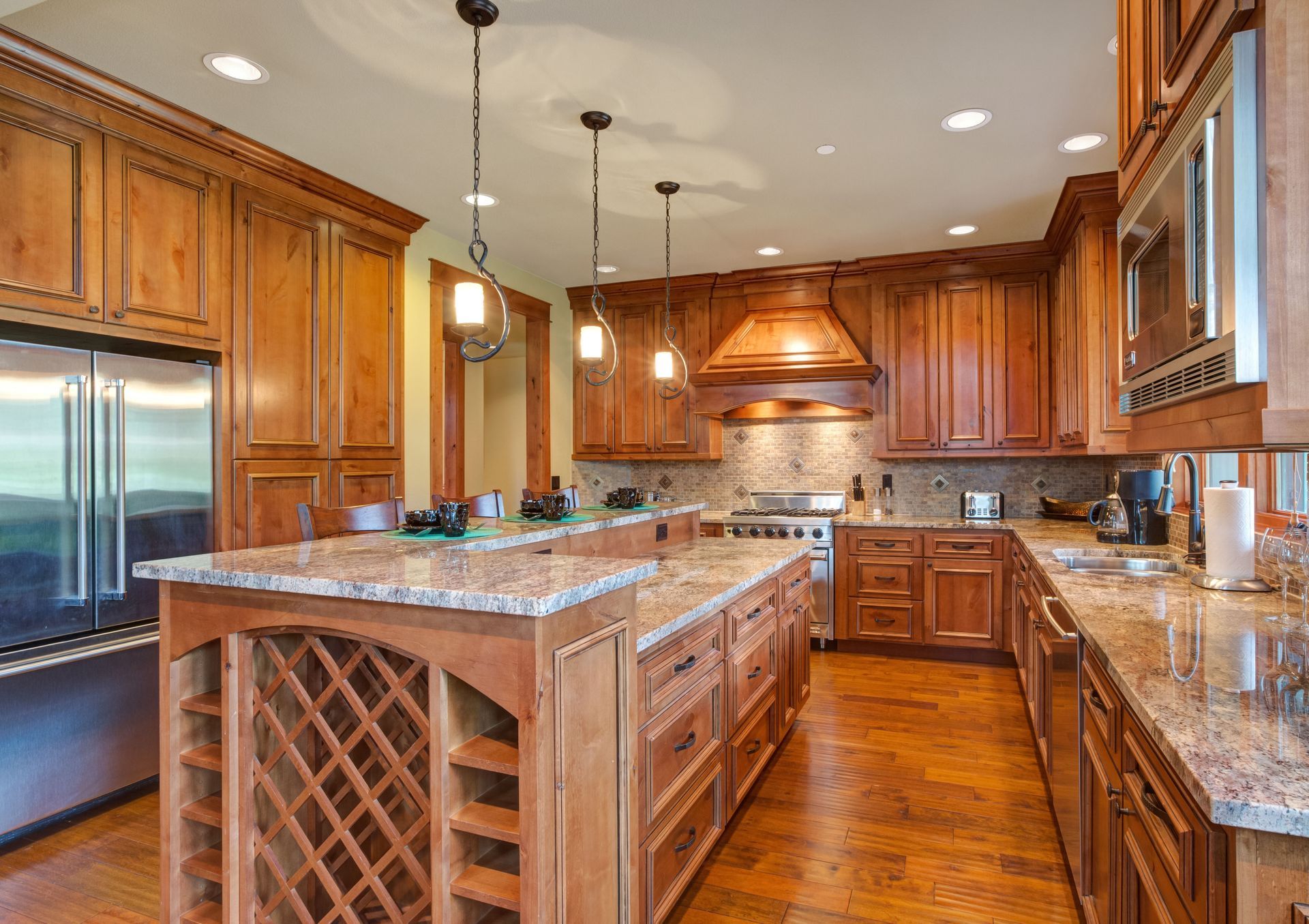
According to HomeAdvisor, the typical kitchen contains about 24 linear feet of cabinetry. This extensive footprint covers a significant portion of the lower and upper wall space, meaning that a large percentage of your kitchen walls have likely not seen the light of day since the house was built or last remodeled. This vast hidden area often conceals secrets that can impact the timeline and budget of a project. Whether you are dealing with a vintage bungalow or a mid-century ranch, the issues found behind the wood and laminate are remarkably consistent across different architectural styles.
Discovering Hidden Water Damage
One of the most frequent finds during a tear-out is evidence of moisture intrusion. Because the sink and dishwasher are central components of the layout, the walls and floors around them are constantly exposed to the risk of slow leaks. Often, a tiny drip from a supply line or a faulty seal around a drain can go unnoticed for a long time because the wooden boxes of the kitchen cabinets absorb the moisture or hide the dampness from view. Over several years, this persistent wetness leads to the rotting of the drywall and the wooden studs behind it.
When the old structures are removed, homeowners may see dark staining, crumbling plaster, or even softened floorboards. Addressing these water-related problems is paramount because installing new materials over a damp or rotting foundation will only lead to further degradation. It is a vital step to ensure that all plumbing is completely dry and that the structural integrity of the wall is restored. This proactive approach prevents the new renovation from being compromised by old, lingering moisture issues that were previously shielded from sight.
Identifying Pest Infestations
The dark, tight spaces behind permanent fixtures provide an ideal sanctuary for various household pests. Small gaps where pipes enter the walls or tiny cracks in the baseboards allow insects and rodents to move freely without being seen. Behind the kitchen cabinets, these creatures often find warmth from the back of the refrigerator or crumbs that have fallen through small crevices over the years. During a demolition, it is common to find old nests, droppings, or discarded shells that indicate a history of unwanted guests.
While finding signs of pests can be unsettling, the demolition phase is actually the best time to rectify the situation. With the walls exposed, it becomes much easier to seal up entry points with expanding foam or steel wool. Homeowners can also take the opportunity to apply professional-grade treatments to the areas that will soon be covered back up. Ensuring that the perimeter of the room is tight and secure protects your new storage units from future damage and creates a more hygienic environment for food preparation.
Uncovering Outdated Electrical Wiring
Old homes often feature a patchwork of electrical work that has been modified over several generations. When the original kitchen cabinets were installed, electrical codes were significantly different than they are today. Pulling the boxes away from the wall often reveals loose wires, ungrounded outlets, or junction boxes that are not properly secured. In some cases, previous owners may have run extension cords behind the cabinetry to power small appliances, creating a significant fire hazard that remained hidden for a long time.
Modern kitchens have much higher power demands than those of the past, requiring dedicated circuits for heavy appliances. The removal of the old units provides a clear path for an electrician to update the wiring to meet current safety standards. This is the perfect moment to add extra outlets, install under-cabinet lighting, or move switches to more convenient locations. Fixing these electrical discrepancies ensures that your home is safe and that your new kitchen can handle the load of modern technology without blowing a fuse or risking a short circuit.
Evaluating Wall Irregularities
Rarely is a wall perfectly flat or a corner perfectly square, especially in older construction. However, these imperfections are often masked by the way the previous kitchen cabinets were shimmed or trimmed. Once the walls are bare, the true shape of the room becomes apparent. You might find that the wall bows inward or that the floor has a significant slope that was hidden by the toe-kick of the old units. These irregularities can pose a challenge for the installation of new, high-quality cabinetry which requires a level surface for proper door alignment.
Identifying these dips and curves early allows the renovation team to prep the walls. This might involve adding a thin layer of drywall compound to smooth out a surface or even sistering new studs to the old ones to create a plumb line.
Noticing Mold And Mildew Growth
Because the space behind cabinetry is poorly ventilated and often experiences temperature fluctuations, it is a prime candidate for mold and mildew growth. Even without a major plumbing leak, simple condensation on cold water pipes can create enough dampness for spores to take hold. This growth is often found on the back panels of the units themselves or on the surface of the drywall. While often localized, the presence of mold can affect the air quality of the home and create a persistent musty odor that persists even after a thorough cleaning.
A kitchen remodel is a transformative process that goes far beneath the surface. While the discovery of leaks, pests, or outdated wiring might seem like a setback, finding these issues during demolition is a blessing in disguise. It provides the rare opportunity to fix long-standing problems that would otherwise continue to degrade the home. By addressing the "skeletons in the closet" behind your old cabinetry, you build a foundation of quality that will support your home for the next several decades. The result is a kitchen that is as durable and safe as it is visually stunning.
Cabinet City Granite & Marble is ready to help you navigate your renovation journey, ensuring that every detail from the walls to the finishing touches is handled with the expertise and care your home deserves.